
It is estimated that more than 400 million tons of plastic are produced each year, half of which is used to manufacture single-use items. These are significant figures and have a considerable environmental impact. However, the most serious problem is not the use of plastic, but rather the fact that waste from this material is not always managed correctly: less than 10% is recycled, and around 11 million tons end up abandoned in natural environments, mainly in seas and oceans.
To raise awareness of this problem, the United Nations Environment Programme has proposed the theme Beat Plastic Pollution for World Environment Day 2025.
If we unite, we can beat plastic pollution.
This year’s campaign reinforces the commitment made by up to 175 countries in 2022 through a treaty.
American journalist AJ Jacobs conducted and documented an experiment in which he lived without using or touching plastic for an entire day—twenty-four long hours during which he encountered complications from the moment he had to put his feet on the ground (which was covered with a nylon mat). He recounts this in the interview.
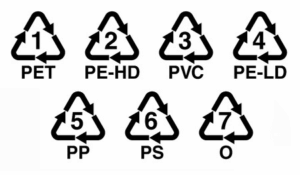
Not all plastics are the same: there are many types, composed of materials in different proportions. On lightweight packaging and other items made of plastics, you can see the recycling icon with a number inside. This is the identification code (RIC).
To effectively reuse plastic parts, they must be separated according to the type of resin indicated in the RIC, especially when they are mixed with other materials or metal components.
“Which plastics are recycled and which are not? a quick guide to identify them»
“Characteristics of the selective collection of light packaging”
Plastic and the challenges of sustainability
Living without plastics can be an almost impossible challenge to achieve, but avoiding generating large amounts of waste every day is not. The best waste is that which is not generated, but if it has not been possible to avoid it, we must try to extend its life in other ways. Reduce, reuse, and recycle—yes. But perhaps we forget other sustainability practices, such as Rethinking or Redesigning, and the powerful R contained in the word co-Responsibility. Citizens have the ability to choose the product in the store, but the industry bears the responsibility to select materials and the methods of design, manufacturing, and distribution. Additionally, the administration has the mission to regulate everything. Now, it is essential that environmental criteria prevail in all these decisions.
Llegeix més sobre el reciclatge del plàstic
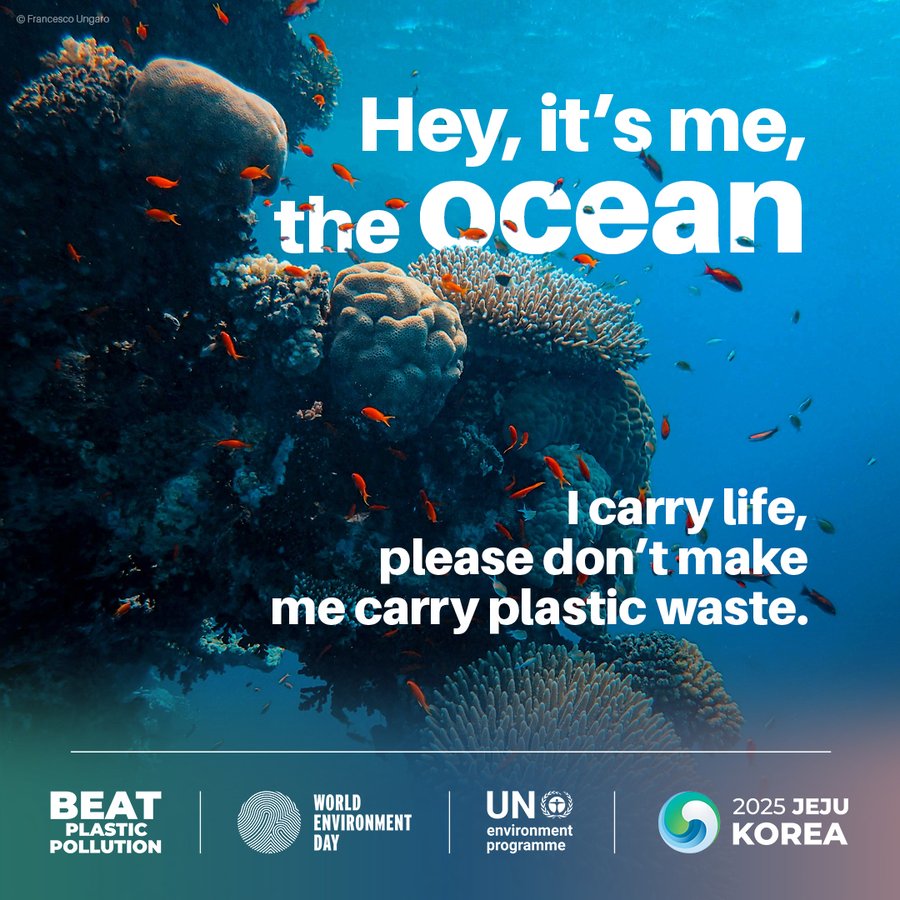
“Hey, it’s me, the ocean. I carry life, please don’t make me carry plastic waste.”
The UN Environment Programme is promoting the campaign to reduce plastic pollution, especially in the oceans.
“We have the knowledge to restore ecosystems and the power to stop the flow of plastic pollution. The ocean is resilient, if we give it the chance. We can fight plastic pollution. Now is the time to make it happen.”
«A point has been reached in history when we must shape our actions throughout the world with a more prudent care for their environmental consequences. Through ignorance or indifference we can do massive and irreversible harm to the earthly environment on which our life and well being depend. Conversely, through fuller knowledge and wiser action, we can achieve for ourselves and our posteriority a better life in an environment more in keeping with human needs and hopes».

More than fifty years have passed since these words were written, but they remain current and urgent. They are contained in the Stockholm Declaration, which was adopted after the United Nations held the Conference on the Human Environment in Stockholm, Sweden, in 1972. This was the first global meeting to highlight the importance of environmental issues. The following year, June 5 was established as World Environment Day in commemoration of the day the conference began.
Declaració d'Estocolm (1972)


