Energia
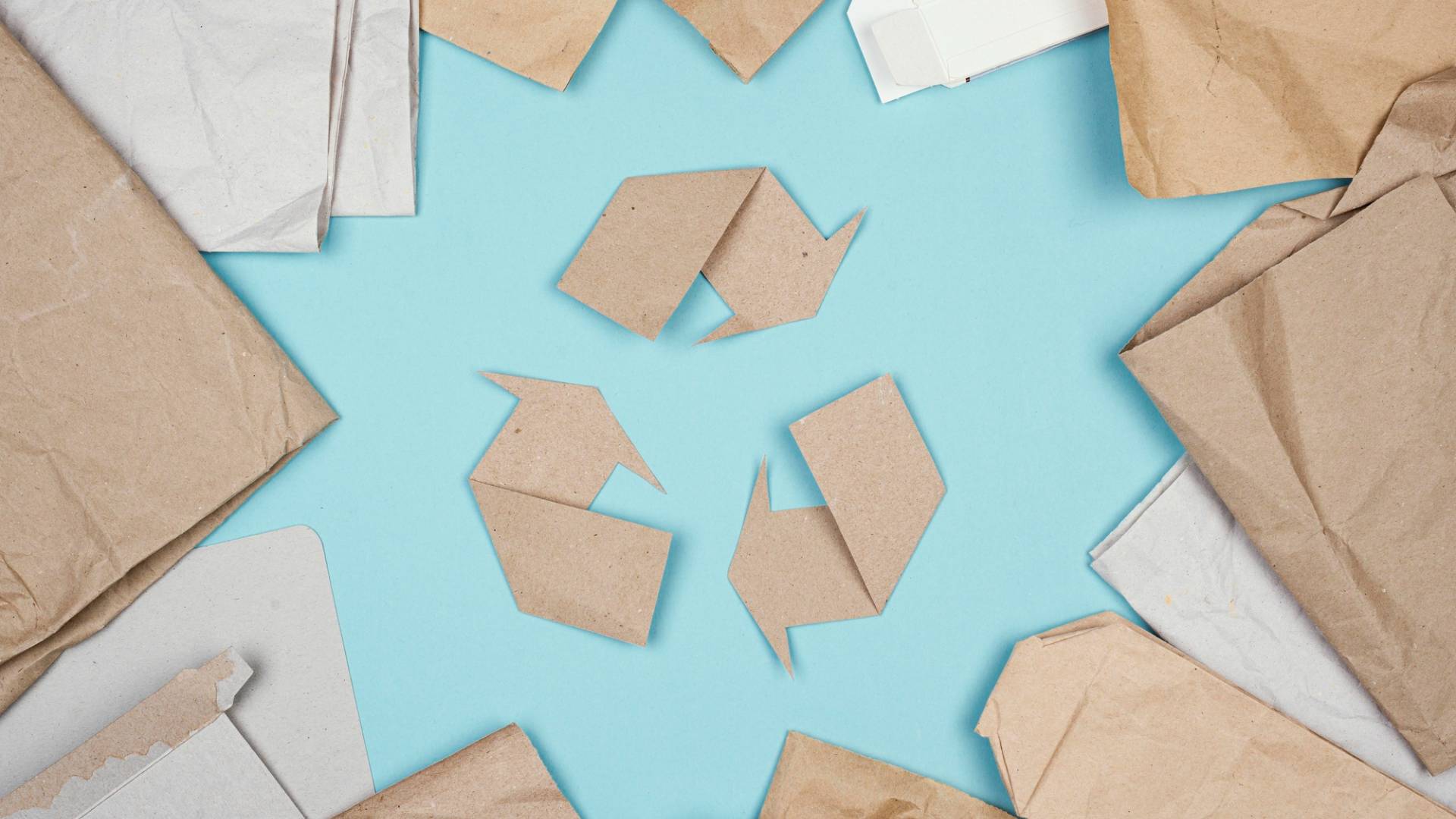
The small gesture we do every day when we separate the waste into the different fractions is of great importance so that the materials can be reused. There are preliminary steps, such as avoiding the generation of waste or choosing products that can be recycled more easily, which may depend on personal situations or environmental awareness, but the duty to separate packaging, paper, glass and organics is for everyone.
The material valorization consists in obtaining resources again from the recycling of waste. When these reclaimed materials have been used to produce new products, returned to the market and purchased, that’s when we can successfully enter the circular economy!
In short, thanks to the selective collection that citizens do, they can take advantage of recovering material waste such as paper, glass, plastic or metal, thus reducing the need to extract raw materials and the production of new materials. In addition, this process contributes to the reduction of environmental pollution and the preservation of natural resources.
Therefore, this small gesture of throwing waste in the right container is a decisive action to contribute to sustainable waste management and reduce its negative impact on the environment.

In the middle of the pyramid
Waste prevention> reuse> recycling> valuation> removal
The stages prior to recycling are the ones that make the difference environmentally and are the pillars of the circular economy: consuming sustainably and taking advantage of what is already manufactured. The treatments that are carried out after recycling are the ones we would like to avoid. Despite everything, the enormous generation of waste produced every day in the world means that it must continue to exist.

The waste management hierarchy is represented by this inverted pyramid: each step is more necessary than the next. In other words, as we get closer to the bottom tip, the less chance that the materials will continue to circulate.
The energy valorization
Of the waste that arrives at the sorting plants (before the recycling process) there is often a part that cannot be used. Thermal and electrical energy can be made from this waste, and with the rest of the non-recoverable waste that we throw in the gray bins.


